
GenAI and INTELLECTUAL PROPERTY
The Transparency Trap of ESG Disclosure

The real danger isn’t what you disclose.
It’s what you don’t know about the data you’re disclosing, and who has access to it.
There is a familiar pattern in corporate sustainability reporting today. A company publishes a sophisticated ESG report, the climate strategy looks mature, the governance appears robust, and the headline targets are reassuring. Yet, the real risk picture only emerges when you stop reading the report as a communications document and start reading it as a supply-chain diagnostic.
For years, the focus has been on the “what” of ESG—what targets to set, what frameworks to align with, what metrics to publish. But as regulatory pressure intensifies and supply chains become more fragmented, the critical questions have shifted to the “how,” the “who,” and the “when.” How is the data collected? Who is actually providing it? And crucially, how do we protect the intellectual property (IP) inherent in this data in the era of Generative AI (GenAI)?
The uncomfortable truth is that many organizations are building their sustainability narratives on a foundation of fragmented, declarative, and often unreliable data. They are suffering from what we might call the Transparency Illusion. Today, this illusion is hitting a wall of technological and geopolitical complexity.
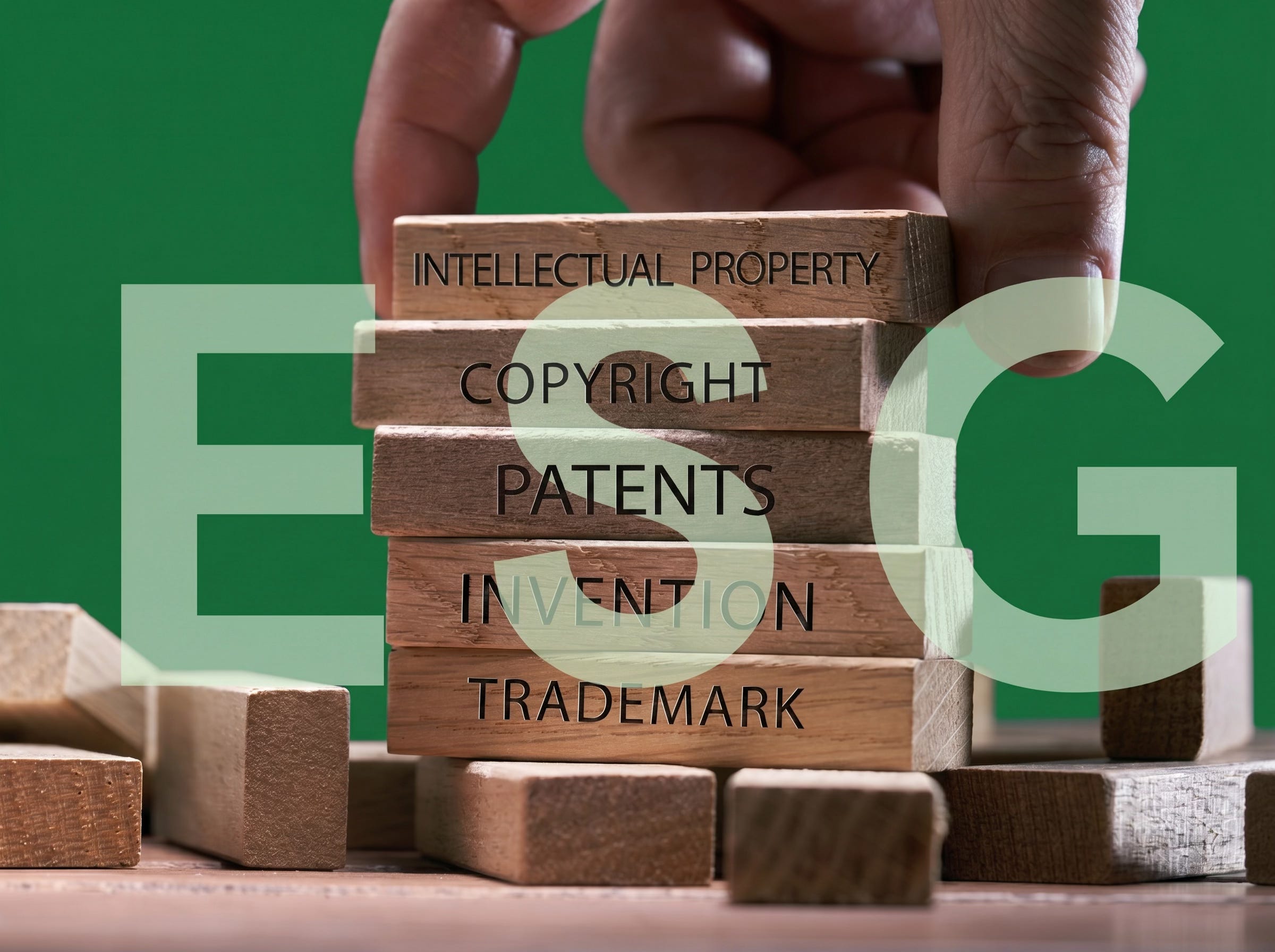
The GenAI Paradox: Analytical Power vs. IP Leakage
The integration of GenAI into supply chain management promises spectacular advancements. Large Language Models (LLMs) can ingest thousands of supplier documents, identify hidden risk patterns, and automate ESG compliance. However, this power comes with a major, often underestimated risk: the leakage of intellectual property and trade secrets.
Deep ESG data is not just about environmental figures. It reveals the intimate structure of a value chain: Bills of Materials (BOM), specific manufacturing processes, cost structures, and subcontractor networks. When a company requires its Tier 2 or Tier 3 suppliers to share this information to feed a GenAI-based analytics tool, it is essentially asking them to hand over their trade secrets.
The risk is twofold. On one hand, AI models can memorize and regurgitate this proprietary data during subsequent queries, exposing sensitive information to competitors or malicious actors. On the other hand, “prompt injection” attacks specifically target these vulnerabilities to force systems into disclosing confidential data. In this context, the transparency demanded by Western regulations becomes a direct threat to suppliers’ competitive advantage.
China’s Regulatory Chessboard: Decree 834 and Article 13
This conflict between transparency and confidentiality takes on an acute geopolitical dimension with recent regulatory developments in China. On April 7, 2026, China’s State Council promulgated Decree No. 834, the first administrative regulation dedicated to industrial and supply chain security.
Article 13 of this decree is particularly critical for multinational corporations. It formally prohibits any organization or individual from conducting “investigations and other information collection activities related to industrial and supply chains” in China in violation of local laws. This provision creates a direct and immediate conflict with the due diligence requirements imposed by the European Corporate Sustainability Due Diligence Directive (CSDDD) and the US Uyghur Forced Labor Prevention Act (UFLPA).
In practical terms, routine ESG compliance activities—such as deep supply chain mapping, on-site audits, or sending detailed questionnaires to Chinese suppliers—can now be deemed illegal if perceived as threatening national industrial security or involving expanded state secrets. Western buyers find themselves caught in a vice: penalized in Europe or the US if they fail to trace their sourcing, and potentially sanctioned in China if they do so too aggressively.
Solving the Equation: Privacy-Preserving Transparency Tools
Faced with this deadlock, the traditional approach of demanding raw, comprehensive data from suppliers is no longer viable. The future of ESG compliance lies in deploying technologies capable of ensuring transparency while strictly preserving data confidentiality and sovereignty.
Several solutions are emerging to tackle this challenge:
1.Zero-Knowledge Proofs (ZKP): This cryptographic technology allows a supplier to mathematically prove compliance with a standard (e.g., that its carbon emissions are below a certain threshold or that it does not use critical minerals from conflict zones) without ever revealing the underlying raw data. ZKPs offer verifiable compliance without compromising trade secrets.
2.Federated Learning: Instead of centralizing supplier data in a single data lake to train AI models, federated learning allows algorithms to be trained locally, directly on the suppliers’ servers. Only the model’s learnings (the algorithmic weights) are shared, ensuring that proprietary data never leaves its original jurisdiction, thus meeting data localization requirements like those in China.
3.Selective Disclosure Blockchain: Modern blockchain architectures enable the creation of immutable traceability ledgers where access to information is granular and controlled by smart contracts. An auditor can verify the authenticity of a certificate of origin without having access to the product’s complete Bill of Materials.
The New Competitive Advantage
In the coming years, the most successful companies will not necessarily be those with the most ambitious ESG targets. They will be the ones capable of concretely proving what sits behind their reports, while skillfully navigating global regulatory contradictions.
The ability to generate auditable, product-level data deeply embedded in the supply chain, while protecting the intellectual property of partners, is becoming a critical competitive advantage. It is the key to complying with the requirements of the future Digital Product Passport (DPP), securing access to critical materials, and building trust with increasingly demanding customers.
The next frontier of sustainability is not another layer of disclosure. It is the hard operational work of building true visibility into the mechanics of the value chain, using technologies that respect confidentiality as a fundamental principle. It is time to stop managing the illusion of transparency and start managing the complex reality of the global supply chain.